
Relieving Elbow Pain and Restoring Strength With Expert Physiotherapy in Woodley
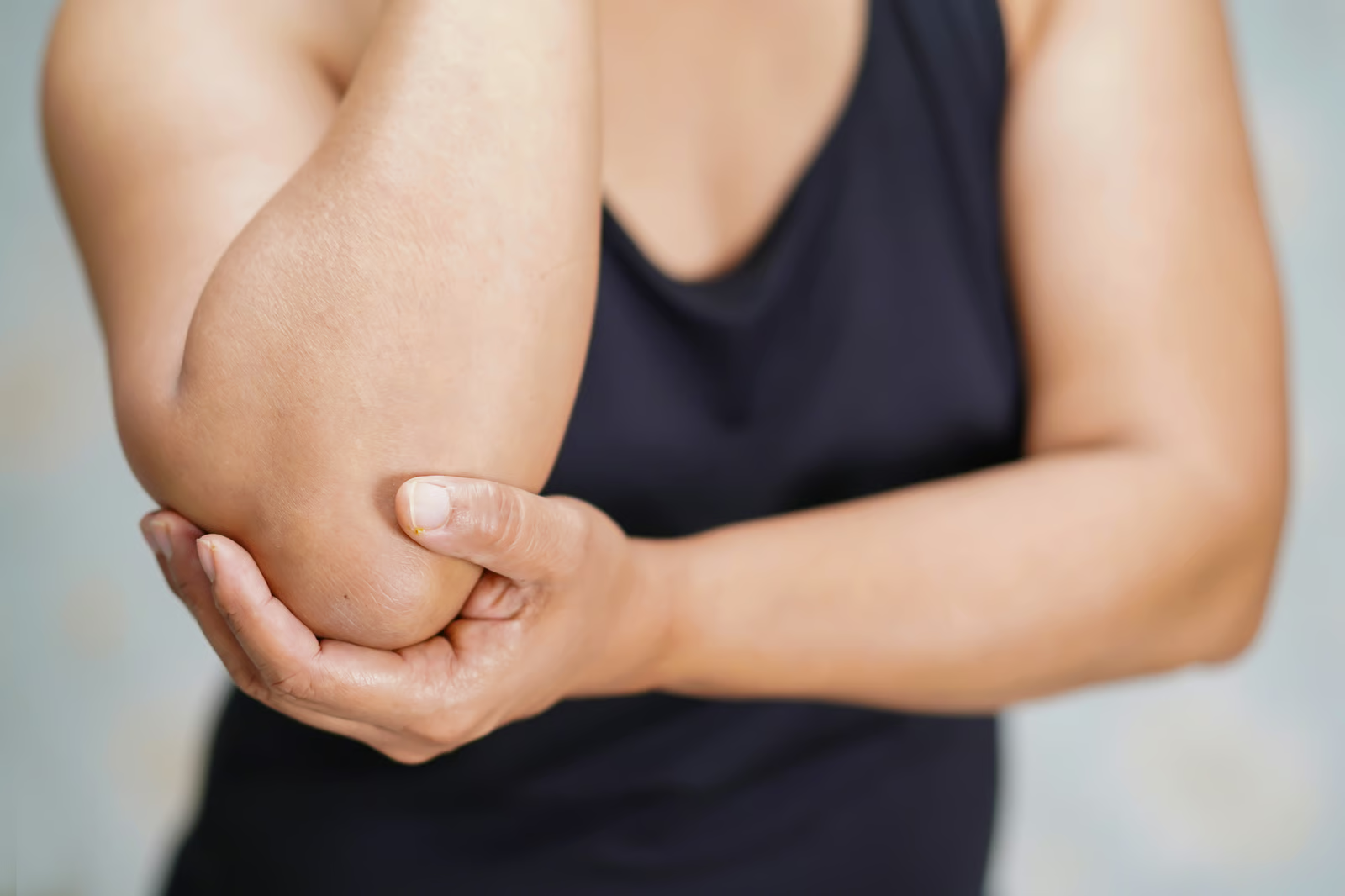
Pain around the elbow can be surprisingly restrictive, making simple things like gripping a kettle, lifting a bag, or even just shaking hands feel really uncomfortable. Whether the ache started gradually or flared up after you tried a new activity, persistent elbow pain is often less about the joint itself and more to do with the tendons getting a bit overloaded.
At 3 Way Physio, we provide a proper, structured approach to treating ‘Tennis Elbow’ and ‘Golfer’s Elbow’ right here in Woodley. We’ll start with a detailed assessment to check exactly which tendons are struggling, and then create a plan using progressive physiotherapy. If we think it’ll help settle things down or kickstart the healing process, we might also use acupuncture, electroacupuncture, or shockwave therapy.
Our focus is on rebuilding your tendon strength and making sure your arm can handle the ‘load’ of daily life again. We’re here to help patients across Woodley and Reading, whether you’ve just noticed the first twinges or you’ve been dealing with chronic elbow pain for a long time.
What Is Tennis Elbow and Golfer’s Elbow?
Both conditions are forms of tendinopathy affecting the forearm tendons at the elbow.
Tennis elbow (lateral epicondylitis) affects the outside of the elbow.
Golfer’s elbow (medial epicondylitis) affects the inside of the elbow.
Despite the names, most people who develop these conditions do not play tennis or golf. They are usually caused by repetitive gripping or lifting, increased gym training, racquet sports, manual or desk-based work, or sudden changes in activity. They are typically load-related tendon conditions rather than inflammatory injuries.
Who This Is For
We commonly treat:
Office workers with mouse-related strain
Tradespeople using tools
Gym-goers performing pulling exercises
Racquet sport players and golfers
Individuals with persistent elbow ache
If gripping a kettle, turning a door handle or lifting weights causes pain, assessment can clarify the cause.
Common Symptoms
Symptoms may include:
Pain on the outside or inside of the elbow
Pain when gripping or lifting
Tenderness over the elbow bone
Reduced grip strength
Discomfort when typing or using tools
Pain during sport
Pain often develops gradually and may worsen if ignored. We assess to rule out nerve irritation, joint pathology or referred neck pain.
Our Assessment Process
Accurate assessment ensures appropriate management. Your assessment includes:
Detailed activity and workload history
Tendon palpation
Grip strength testing
Wrist and forearm loading tests
Screening for nerve involvement
Shoulder and neck assessment
We identify the exact tendon involvement, severity, irritability level, and contributing load factors.
Initial Assessment: £78 – 50 minutes
You will leave with a clear explanation and structured plan.
Treatment For Tennis Elbow / Golfer’s Elbow In Woodley
Tendon recovery requires progressive loading rather than prolonged rest.
Physiotherapy
Rehabilitation typically includes:
Isometric exercises for pain control
Progressive wrist and forearm strengthening
Eccentric loading and grip strength retraining
Load modification planning
Gradual return-to-sport programming
Shockwave Therapy
For persistent or chronic cases, shockwave therapy may be recommended. It can:
Stimulate tendon healing
Improve circulation
Support recovery in stubborn cases
Acupuncture and Electroacupuncture
These may assist with:
Pain reduction
Reducing secondary muscle tension
Modulating chronic tendon pain
Improving neuromuscular activation
Follow-Up Sessions: £62 – 30 minutes 6-Session
Block: £335 (10% discount)
What Makes Our Approach Different
Clear differentiation between tendon pain and nerve irritation
Progressive, evidence-based loading programmes
Access to shockwave therapy
Honest discussion of recovery timelines
Focus on long-term tendon resilience
Integrated assessment of shoulder and neck involvement
Your treatment may be delivered by Anisha Daudharia, Rosie Bateman, Rupali Pawar, or Jack Phillips. We accept Bupa, AXA PPP, Aviva, WPA and Cigna.
What To Expect At Your First Appointment
ou can expect:
A detailed discussion of symptoms and activities
Hands-on tendon assessment
Grip strength testing
Clear explanation of diagnosis
Immediate load management advice
Early strengthening exercises
We prioritise clarity and realistic guidance from the start.
Expected Outcomes and Recovery Timeline
Tendon recovery is gradual:
Mild cases may improve within 6–8 weeks
Chronic cases may require 3–6 months
Consistency with strengthening is critical. Complete rest may temporarily reduce pain but does not restore tendon capacity. Surgery is rarely required.
Preventing Recurrence
We guide you on:
Gradual load progression
Grip strength maintenance
Sport technique adjustments
Workstation modifications
Avoiding sudden training spikes
Maintaining strength reduces recurrence risk.
When To Seek Further Review
Seek medical advice if you experience:
Numbness or tingling in the hand
Sudden traumatic elbow injury
Progressive weakness
Persistent swelling
Frequently Asked Questions
Is tennis elbow inflammatory?
Should I stop using my arm?
Does shockwave therapy work?
How long does tennis elbow last?
Is golfer’s elbow different?
Can desk work cause elbow pain?
Do braces help?
Is surgery common?
Can it return?
Book Tennis Elbow / Golfer’s Elbow Treatment In Woodley, Reading
If elbow pain is limiting your grip, work or sport, you can book your assessment online, call 0118 969 2299, or contact our Woodley clinic directly. Structured tendon rehabilitation offers long-term relief.


